
Your Cart is Empty
Free Shipping for US orders $75+

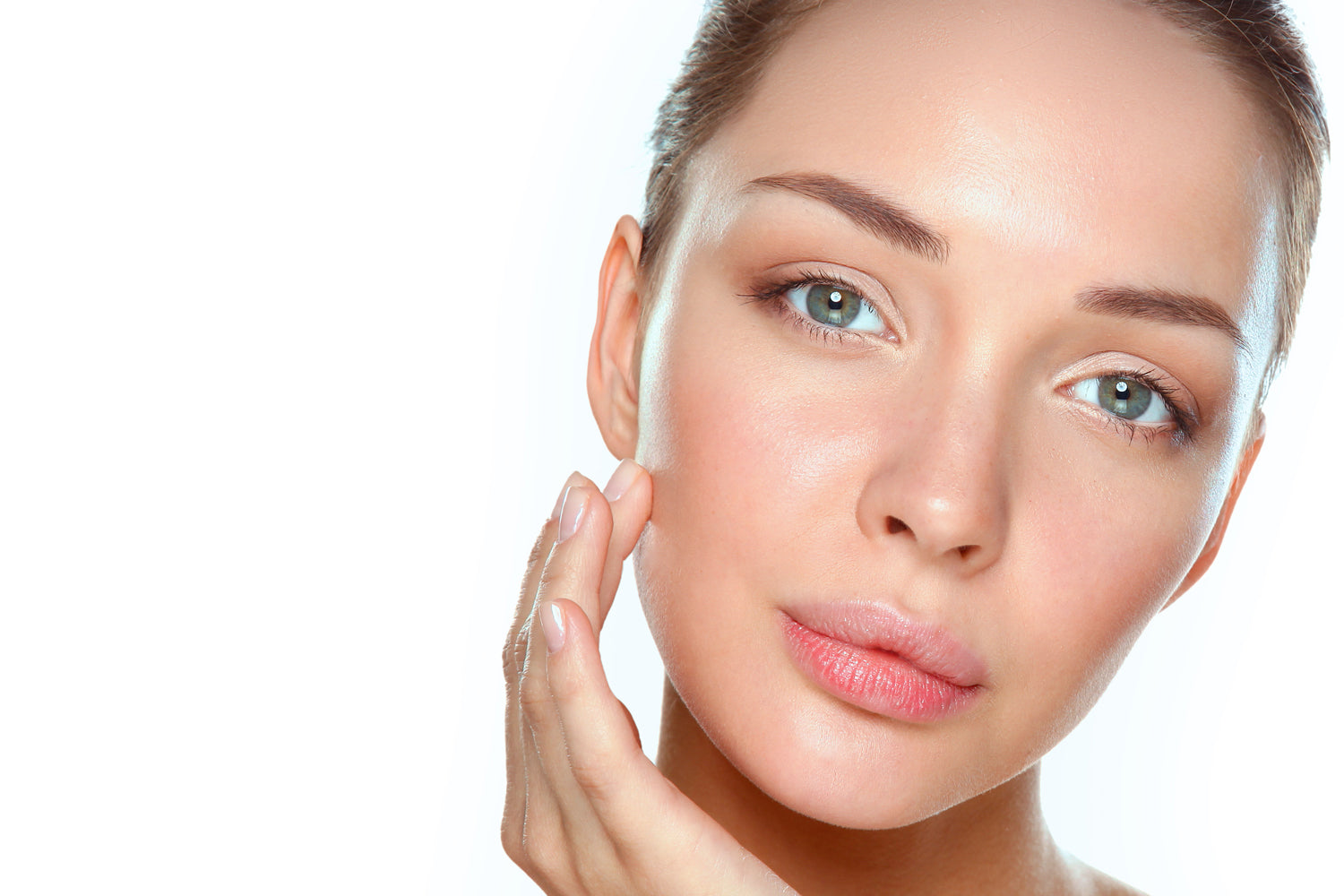
If you're struggling with dry, itchy, inflamed skin, you're not alone. Eczema affects approximately 31 million Americans — and many are turning to natural, organic remedies to find relief without harsh chemicals.At Passport to Organics, we take a thoughtful approach to skincare combining natural and science-based ingredients to help your skin feel its best.
Here's what you need to know.
Eczema is a skin condition that causes persistent irritation, dryness, and itchiness. In more serious cases, it can trigger inflammation leading to oozing lesions and uncontrollable itching. It most commonly appears in the folds of the arms and legs, the tops of the feet, the waist, and the back of the neck.
The early signs often show up as chronically dry, thickened patches of skin — sometimes long before any visible rash appears. Scratching these patches can lead to crusted open sores and increase the risk of infection.
Eczema generally stems from a short-circuited immune response, where the skin reacts abnormally to substances in the bloodstream. Research by Dr. Anna De Benedetto at the University of Rochester Medical Center has linked eczema to a decrease in the skin protein claudin-1, which compromises the skin barrier.
Common triggers include:
Detergents and body soaps
Food allergens
Grass, pollen, and environmental allergens
Low humidity and dry air
Stress and emotional strain
Genetic factors — children of parents with eczema have up to an 80% chance of developing it themselves
Note: Eczema can flare up without any identifiable trigger. If you experience frequent or severe flare-ups, consult a board-certified dermatologist.
These natural ingredients have shown promising results in soothing eczema symptoms. Always patch-test new products before applying them to larger areas of skin.
Turmeric is one of the most researched natural remedies for inflammatory skin conditions. Its active compound, curcumin, has powerful anti-inflammatory and antioxidant properties that directly address what makes eczema so uncomfortable.
A systematic review published in Phytotherapy Research found that in 10 out of 18 clinical studies, turmeric and curcumin treatment groups showed statistically significant improvement in skin disease severity (Vaughn et al., 2016, PMID: 27213821). More recently, a 2024 review highlighted curcumin's ability to modulate immune responses, reduce cytokine levels, and support skin barrier function — all directly relevant to eczema sufferers.
You can apply it topically as a cream or serum, or consume it in warm milk or golden lattes.
Note: raw turmeric stains the skin and should always be diluted when applying directly.
Clear Face Turmeric Cream a lightweight organic cream blended with certified organic turmeric extract. Ideal for drier, more inflamed skin. Paraben-free, sulfate-free, phthalate-free, and petrochemical-free.
Turmeric Serum a fast-absorbing, lightweight daily option for those who prefer a serum texture. Great for facial use and daily maintenance.
Not sure which is right for you? Choose the Cream for targeted relief on inflamed or dry patches, and the Serum for lightweight daily protection.
Aloe vera is a time-tested natural remedy for irritated skin. Extract the pulp directly from an aloe vera plant and apply it to affected areas for a cooling, soothing effect. Look for products with high aloe vera concentrations and no added artificial fragrances.
Rich in Vitamin E and antioxidants, olive oil acts as a natural skin moisturizer and conditioner. Its emollient properties help restore the skin barrier — a key factor in managing eczema flares.Neem
There are several forms of eczema, each with different triggers and characteristics. Identifying your type can help you choose the most effective treatment approach.
The most common and often most severe form. Characterized by intense itching, raw skin, fissuring, and a high risk of infection. Frequently linked to genetic and immune factors.
Triggered by direct contact with a specific irritant — such as detergents, fragrances, nickel, wool, cleaning products, or citrus. The most effective treatment is identifying and avoiding the trigger substance.
Appears on the scalp (as dandruff), face, ears, and chest. In adults aged 20–40, it may be linked to yeast overgrowth and can require antifungal treatment if infection sets in. In infants, it's known as cradle cap and is generally harmless.
Natural remedies can provide meaningful relief for mild to moderate eczema, but please consult a dermatologist if:
Your symptoms are severe or rapidly worsening
You develop signs of skin infection (warmth, pus, increased redness)
Over-the-counter and natural treatments aren't providing relief
Eczema is significantly affecting your sleep or quality of life
Is turmeric good for eczema?
Yes, turmeric's active compound curcumin has well-documented anti-inflammatory properties. Clinical research supports its use both topically and internally for inflammatory skin conditions including eczema and psoriasis.
Can I use turmeric cream on my face for eczema?
Yes. Our Clear Face Turmeric Cream and Turmeric Serum are both formulated for facial use and are free of parabens, sulfates, artificial fragrances, and petrochemicals — making them suitable for sensitive skin.
What's the difference between your Turmeric Cream and Turmeric Serum?
The Cream is thicker and better suited for dry, inflamed, or severely irritated skin. The Serum is lightweight and ideal for daily use or if you prefer a non-greasy finish, especially on the face.
What natural ingredients help with eczema flare-ups?
Turmeric (curcumin), aloe vera, neem, and olive oil are among the most evidence-supported natural remedies. Each addresses inflammation, dryness, or skin barrier function in different ways.
Does stress cause eczema?
Stress is a well-recognized eczema trigger. It doesn't cause eczema directly, but it can significantly worsen or prolong flare-ups by affecting immune response and skin barrier function.
Sources and further reading
Vaughn AR et al. (2016). Phytotherapy Research. PMID: 27213821
Mo Y et al. (2024). Clinical, Cosmetic and Investigational Dermatology. PMID: 38765192
National Eczema Association. eczema.org
National Institute of Arthritis and Musculoskeletal and Skin Diseases (NIAMS). niams.nih.gov
De Benedetto A et al. University of Rochester Medical Center. Research on claudin-1 and skin barrier dysfunction in atopic dermatitis.